

Introduction
Sustainable fashion is no longer about plain hemp shirts or shapeless linen dresses—it’s about creating a wardrobe that’s stylish, functional, and kind to the planet. The modern eco-conscious woman doesn’t have to sacrifice style to shop sustainably. Today’s sustainable brands are redefining what it means to dress ethically, offering chic pieces that look and feel luxurious.
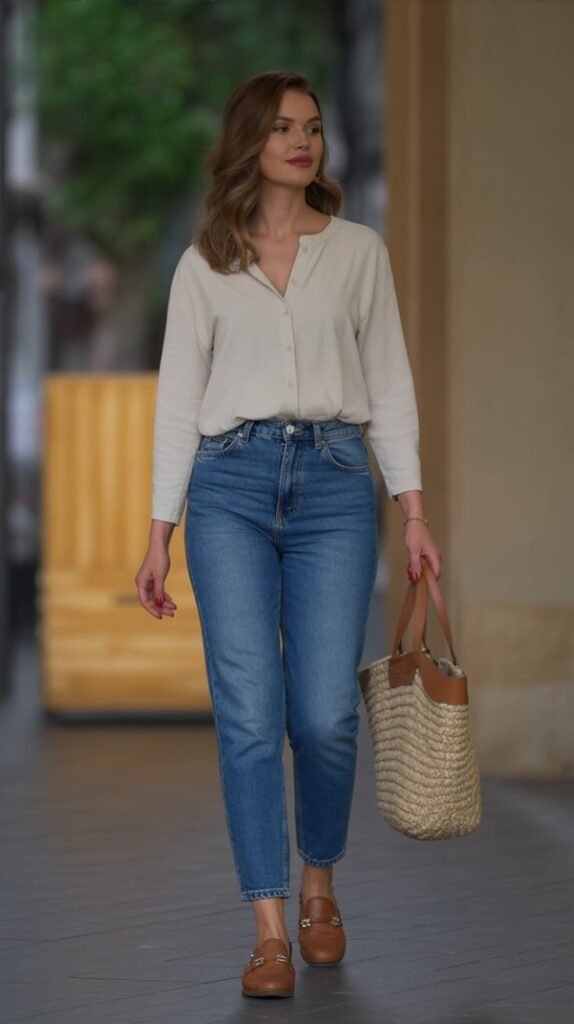
This guide will help you choose sustainable casual outfits that look polished—not “eco.” You’ll learn how to find flattering fits, smart fabrics, and timeless pieces that blend sustainability with style.
Find the Right Fit
A great outfit starts with the right fit. Whether you’re shopping vintage, thrifted, or sustainable brands, the key is finding clothes that make you feel comfortable and confident. Clothes that fit well highlight your shape and instantly make your outfit look intentional.
Start with your basics:
- Tops: Look for structured silhouettes or slightly tailored designs that define your shoulders and waistline.
- Bottoms: High-rise jeans made from organic cotton or Tencel offer support while maintaining breathability.
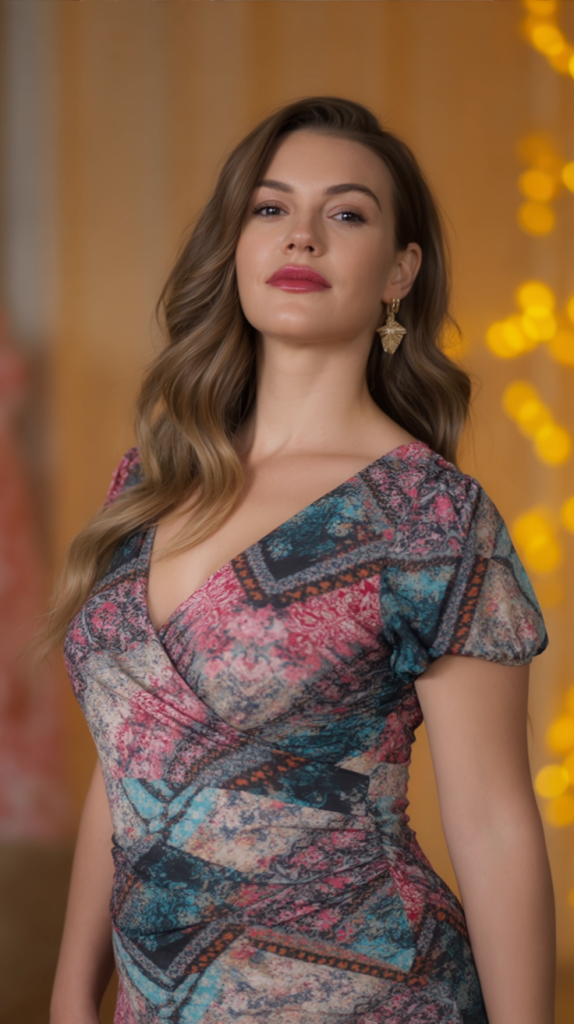
- Dresses: Wrap dresses and A-line cuts flatter all body types and can easily be dressed up or down.
Don’t hesitate to visit a tailor—altering pre-loved or sustainable finds to your shape extends their life and reduces waste.
Play with Proportions
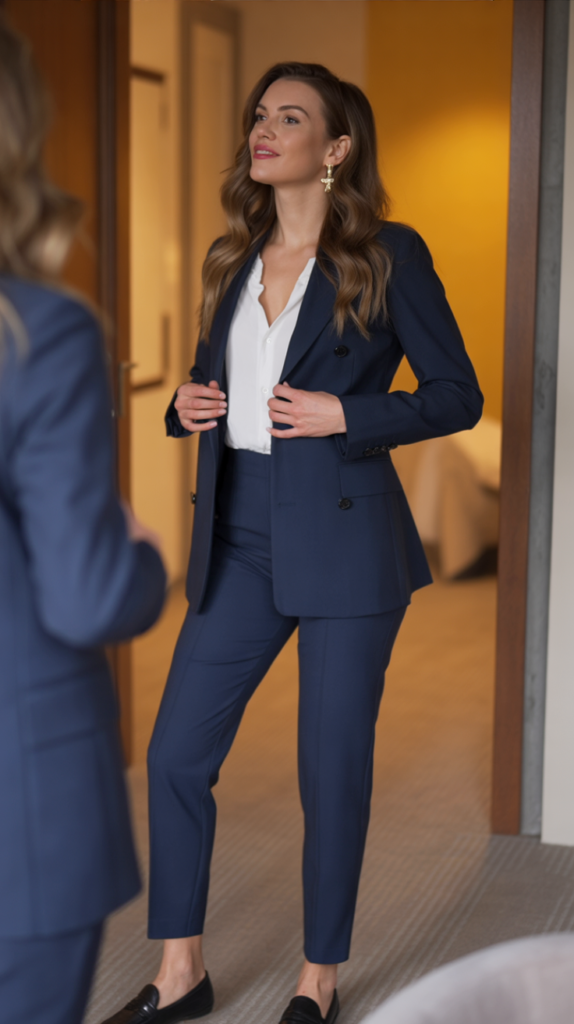
One of the best ways to keep sustainable outfits looking modern is by experimenting with proportions. Mixing fitted and loose elements creates a flattering, dynamic silhouette that feels fresh.
Try pairing a fitted ribbed top with wide-leg trousers made of hemp or bamboo fabric for a sleek, contemporary look. Or style a cropped denim jacket over a flowy midi skirt to strike a balance between structure and softness.
If you’re curvy, high-waisted and flared cuts elongate your legs while maintaining comfort—perfect for casual yet elegant looks.
Choose the Right Fabrics
Not all sustainable fabrics are created equal. The best ones feel soft, breathable, and luxurious while minimizing environmental impact. Look for:
- Organic cotton: Durable, breathable, and less resource-intensive than conventional cotton.
- Tencel (Lyocell): Made from wood pulp, it’s silky-smooth, moisture-wicking, and ideal for both tops and dresses.
- Hemp and linen: Lightweight yet strong, these materials soften beautifully over time.
- Recycled fibers: Fabrics like recycled polyester offer stretch and structure while keeping waste out of landfills.
Focus on textures that flatter your body and move with you—soft knits, woven blends, or slightly heavier fabrics that drape nicely.

Embrace Color and Patterns
Sustainable doesn’t have to mean beige and bland. Eco-friendly fashion has evolved to include vibrant colors, bold patterns, and playful prints. Don’t be afraid to experiment!
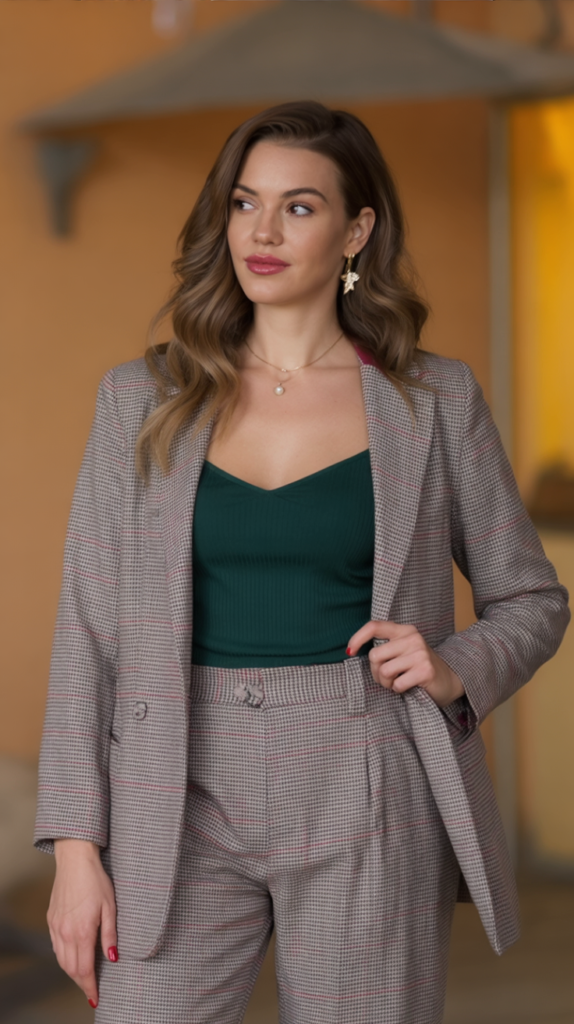
- Bold hues: Deep greens, warm terracotta, and sapphire blues give sustainable outfits a polished look.
- Patterns: Vertical stripes, floral motifs, and geometric prints can add personality while flattering your figure.
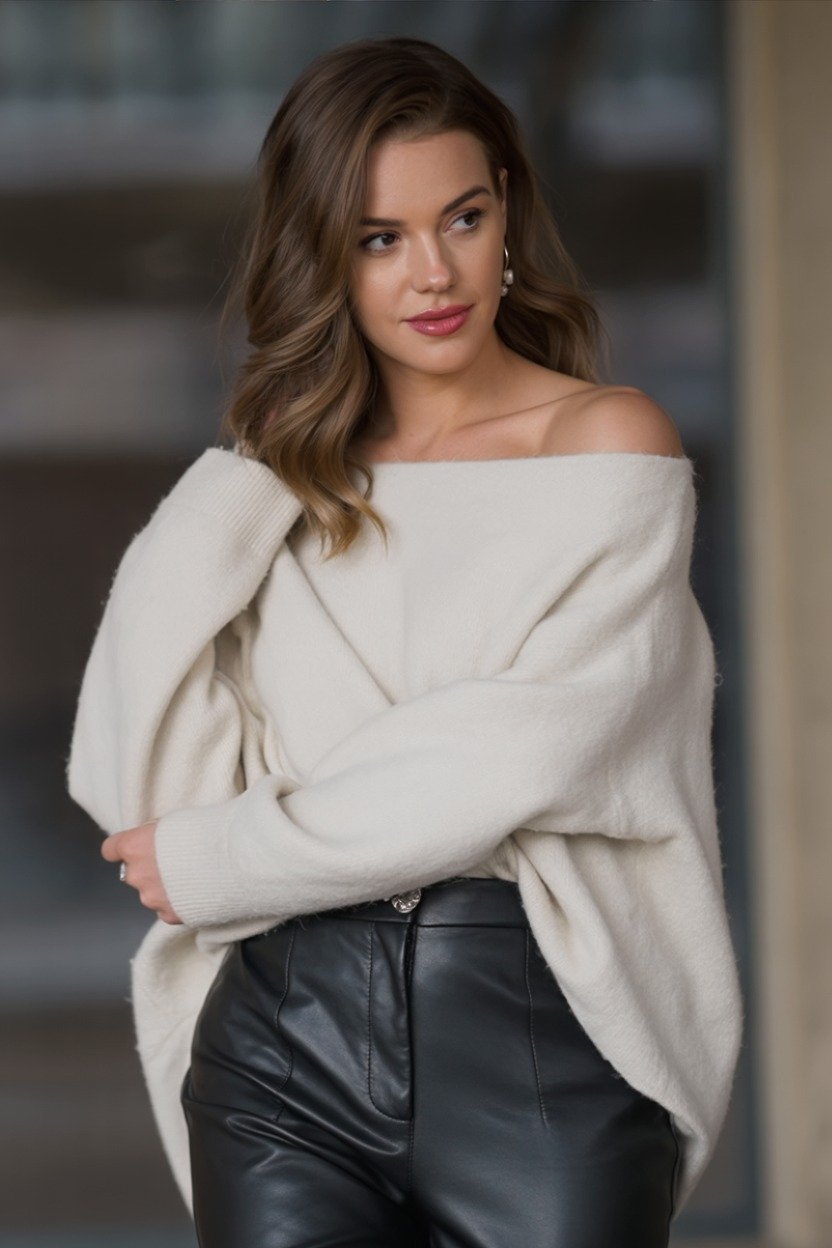
- Monochrome styling: Wearing one color from head to toe—like an all-navy or cream ensemble—creates a chic, streamlined effect.
These small style choices help your outfits feel less “eco” and more elevated while still being planet-conscious.
Accessorize for Confidence
Accessories are your secret weapon for making sustainable casual outfits look polished. A well-chosen bag, belt, or pair of shoes can transform even a simple outfit into something special.
Go for timeless, durable accessories—like a cork crossbody bag, recycled metal jewelry, or a vintage leather belt. These add texture and interest without straying from your sustainable values.
If you prefer minimalist outfits, experiment with bold accents—oversized sunglasses, statement necklaces, or patterned scarves—to create a look that feels “put-together” and intentional.

Conclusion
Sustainable fashion doesn’t mean sacrificing your personal style—it’s about finding what makes you feel good while doing good for the planet. By choosing quality fabrics, flattering fits, and timeless silhouettes, you can create a wardrobe that’s both eco-friendly and effortlessly chic.
Don’t be afraid to experiment and mix sustainability with style. Start small: swap one piece, try one new fabric, or explore one ethical brand at a time.
Don’t be afraid to step out of your comfort zone—start styling your wardrobe with these tips, and embrace your beauty, sustainably!
Leave a Reply