

When the weather can’t seem to make up its mind—cool mornings, warm afternoons, and breezy evenings—getting dressed becomes a balancing act. Transitional seasons like spring and fall are all about smart layering, breathable fabrics, and versatile pieces that adapt to changing temperatures. The key is to mix comfort with style so you can look put-together all day long, no matter what the weather does.
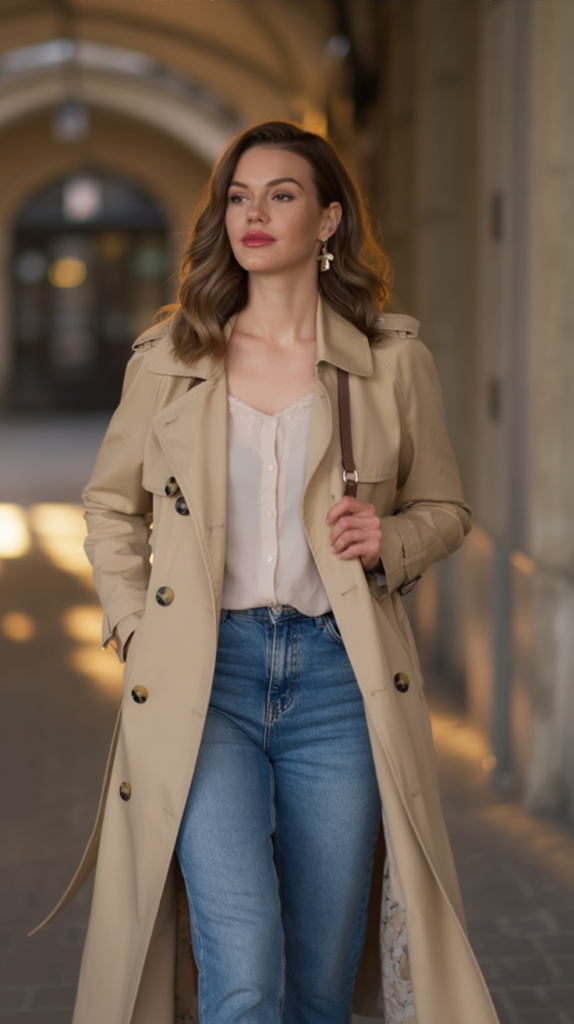
Find the Right Fit
Fit is the foundation of any great outfit, especially during transitional weather. Clothes that fit well help you look polished while keeping you comfortable through fluctuating temperatures.
Start by focusing on how your garments sit on your shoulders and waist. A well-fitted blazer or cardigan should allow easy movement without feeling too tight when layered over another top. Similarly, jeans or trousers should hug your body comfortably without pinching when you sit or walk.
For tops, aim for silhouettes that skim your shape—like structured blouses or slightly loose knits that allow airflow. When it comes to dresses, A-line or wrap styles work beautifully for most body types, offering both definition and comfort.
The right fit doesn’t just flatter your figure—it boosts your confidence, letting you move easily and naturally throughout the day.
Play with Proportions
Between-season dressing is the perfect time to experiment with proportions. Pairing fitted and flowy pieces together creates visual balance and makes your outfit feel effortlessly chic.
For instance, try wearing a tailored blazer with wide-leg trousers for a sleek, elongated look. If you prefer skirts, an A-line midi paired with a tucked-in top can accentuate your waist while offering graceful movement. Alternatively, cropped jackets with high-waisted jeans can help define your silhouette and keep your outfit weather-appropriate.
Don’t be afraid to layer—a cropped sweater over a maxi dress, or a long vest over fitted jeans, can transform simple staples into elevated, transitional looks.
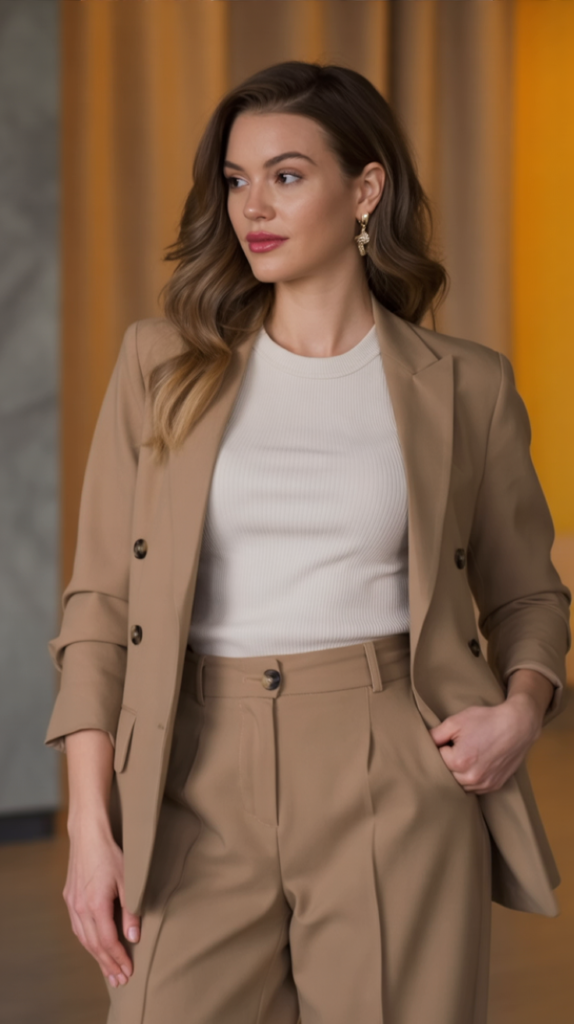
Choose the Right Fabrics
Fabric choice makes all the difference during unpredictable weather. The ideal materials for transitional outfits offer structure without bulk and breathe easily when temperatures rise.
Look for pieces made with cotton blends, light wool, or knit fabrics with a bit of stretch. These materials allow flexibility while keeping you cozy. Denim jackets, lightweight trench coats, and knit cardigans are timeless staples that transition well from chilly mornings to mild afternoons.
Avoid overly heavy fabrics like thick wool or polyester, which can feel stifling if the weather warms up. Instead, opt for flowy materials like viscose, linen, or jersey that drape naturally and adapt to your body’s movement.
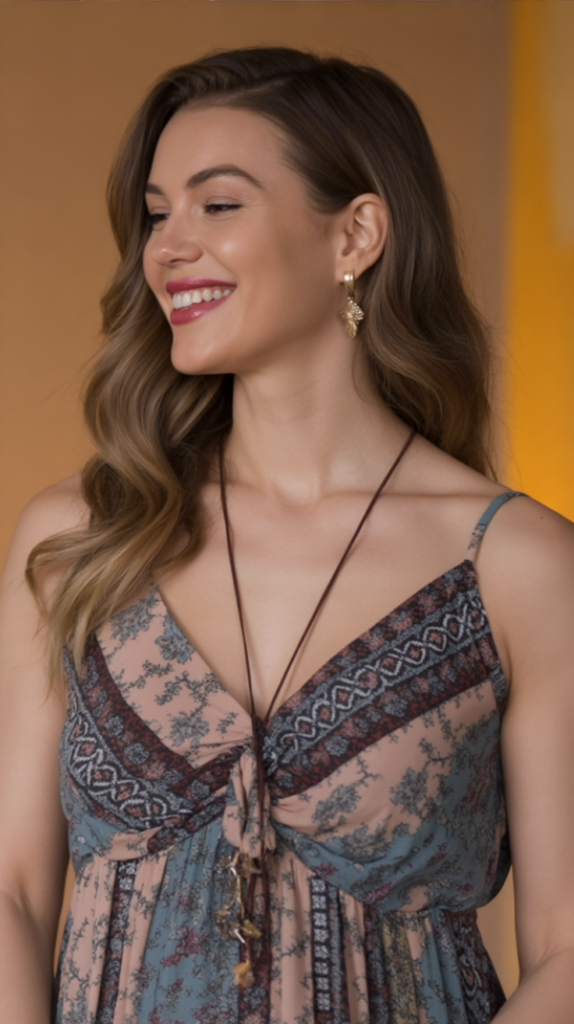
Embrace Color and Patterns
Transitional outfits are the perfect opportunity to play with colors and patterns that reflect the season’s mood. Soft neutrals, earthy tones, and muted pastels bring warmth to fall and freshness to spring.
Don’t shy away from bold hues—vibrant colors like mustard yellow, emerald green, or deep burgundy can brighten cloudy days and add visual interest. Patterns like vertical stripes or small florals elongate your figure and draw attention upward, while darker shades can create a sleek, slimming effect.
The goal is to have fun and express your personality. Mixing colors and prints can make your outfit feel fresh and lively, even when the weather’s unpredictable.
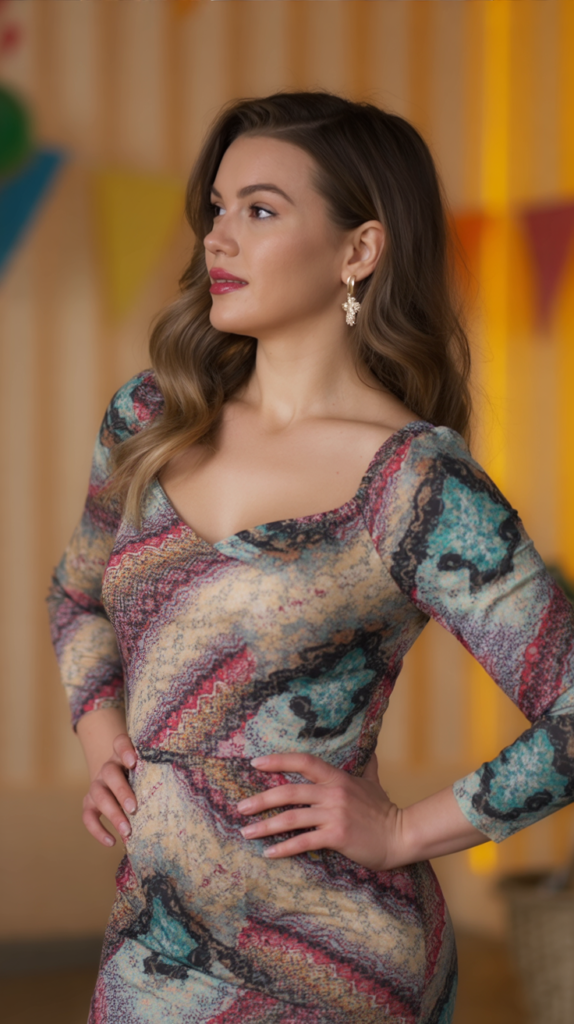
Accessorize for Confidence
Accessories can make or break a transitional outfit. They add polish, texture, and individuality—while also being functional when the weather shifts.
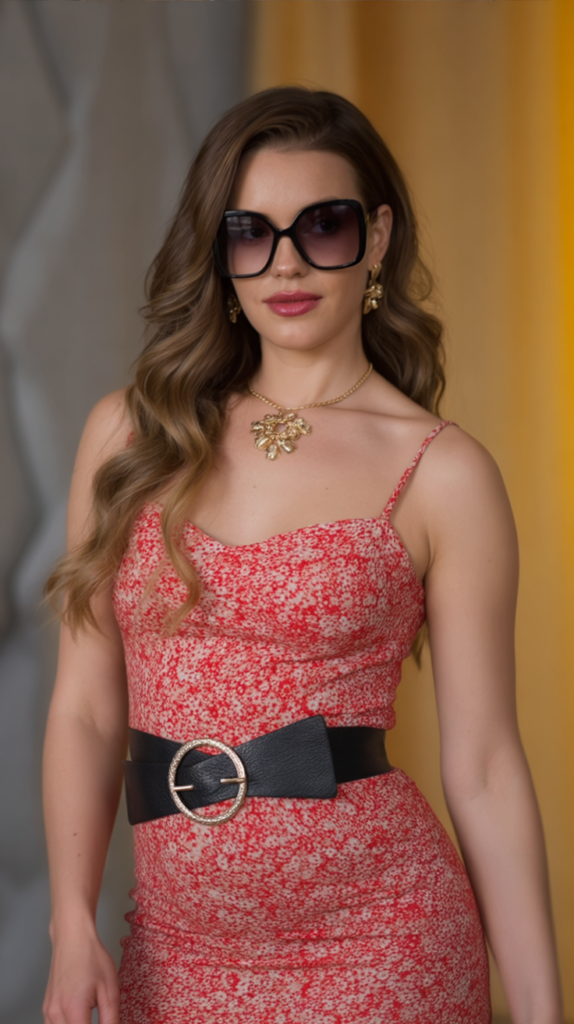
A wide belt can define your waist and elevate a simple dress or oversized sweater. Lightweight scarves are great layering tools, offering warmth in the morning and easy removal later in the day. Statement jewelry like chunky earrings or layered necklaces can instantly transform a casual outfit into something stylish.
Footwear matters too: ankle boots, loafers, or low heels are perfect for transitional dressing since they pair well with both pants and skirts. Finish your look with practical yet chic touches like oversized sunglasses or a structured tote bag.
Conclusion
Mastering transitional outfits is all about flexibility, creativity, and confidence. By focusing on the right fit, balanced proportions, quality fabrics, flattering colors, and thoughtful accessories, you can create looks that seamlessly carry you through shifting weather.
Remember—style is about feeling as good as you look. Don’t be afraid to step out of your comfort zone and experiment with different layers, colors, and textures.
Start styling your transitional wardrobe today—and embrace every in-between season with confidence and flair!
Leave a Reply