

Introduction
Minimalism in fashion isn’t just a trend—it’s a lifestyle that blends simplicity with purpose. For workwear, this means curating outfits that look sharp, feel comfortable, and make getting dressed in the morning effortless. A minimalist work outfit doesn’t scream for attention—it quietly commands it through clean lines, tailored fits, and thoughtful details.
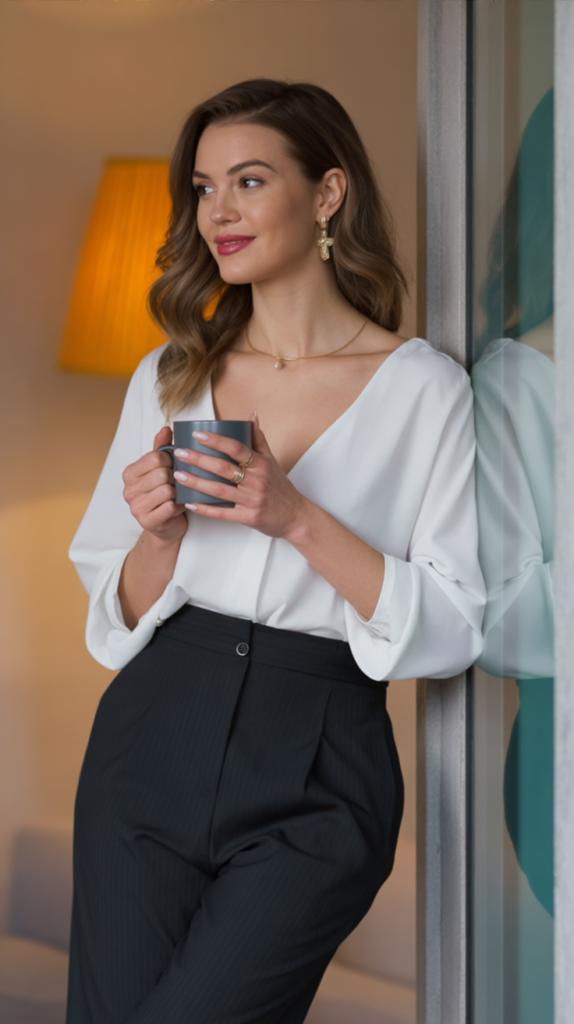
The key to mastering minimalist workwear lies in quality over quantity. By building a versatile wardrobe anchored in timeless pieces, you’ll never have to second-guess your outfit choices again. Let’s dive into the essentials that will help you look polished and professional—without overcomplicating your style.
Find the Right Fit
No minimalist wardrobe works without impeccable fit. Clothes that fit well instantly elevate your appearance—no matter how simple the outfit. They help you look composed and confident, especially in a professional setting.
Start with the basics: blazers should contour the shoulders without pulling, trousers should skim the ankle without bunching, and blouses should allow natural movement without gaping or clinging. Avoid overly tight or baggy clothing, as both can throw off the sleek silhouette minimalism is known for.
For women, consider structured sheath dresses, straight-leg trousers, or high-waisted pencil skirts paired with tucked-in blouses. These timeless cuts flatter most body types while maintaining a refined, put-together look.
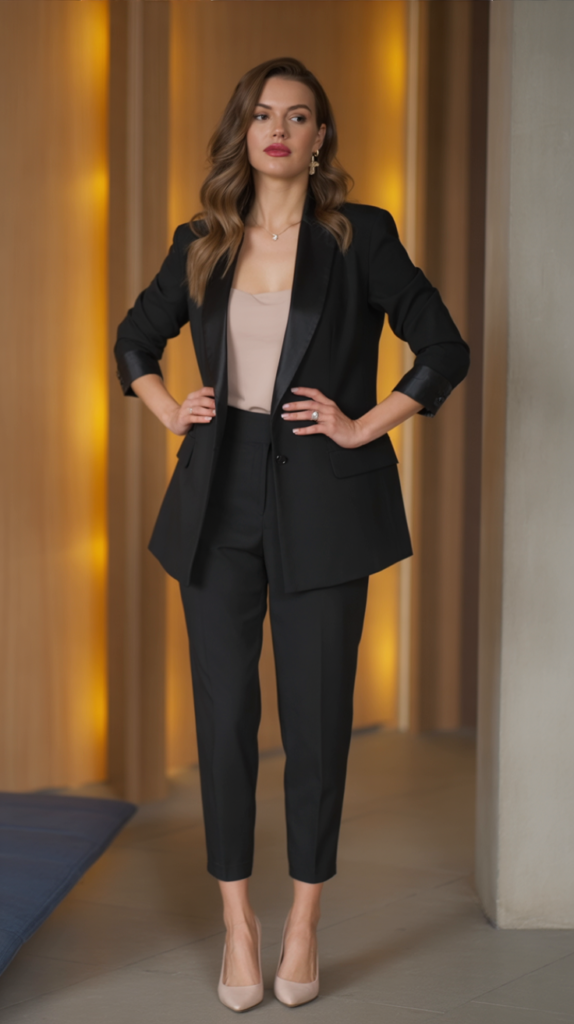
A great tailor can also become your secret weapon—slight adjustments in sleeve length or waistline can transform an off-the-rack piece into something that feels custom-made.
Play with Proportions
Minimalist fashion doesn’t mean monotonous. Subtle experimentation with proportions keeps your look modern and dynamic. The trick is balance: pair fitted pieces with looser ones for visual harmony.
For example, style a slim-fit turtleneck with wide-leg trousers, or wear a crisp button-down shirt half-tucked into a midi skirt. A structured blazer over fluid pants creates dimension while maintaining professionalism.
If you prefer dresses, try A-line silhouettes—they define the waist while offering comfortable movement. A cropped jacket or neatly tucked blouse can refine the overall balance of your outfit.
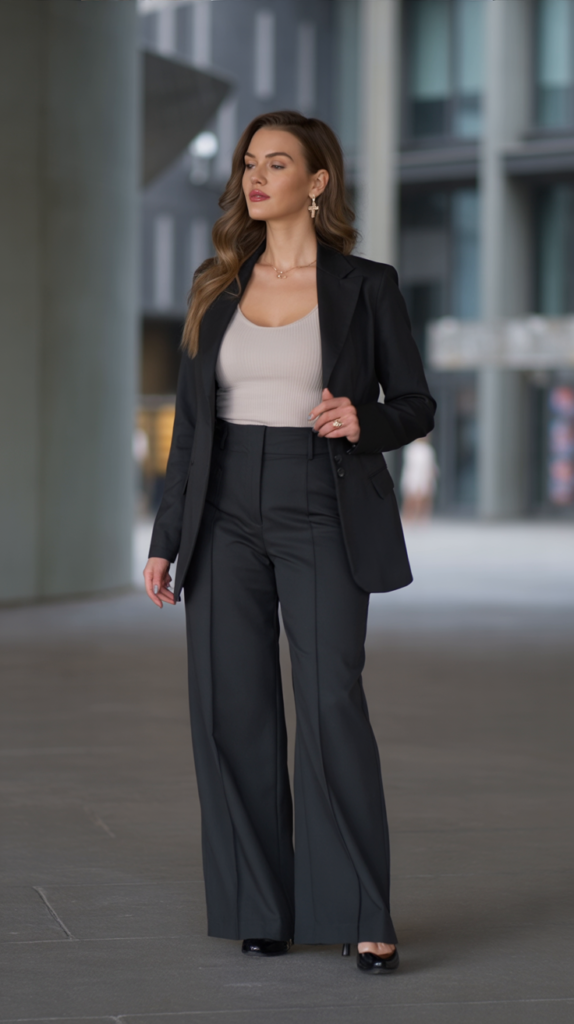
The beauty of proportion play is that it gives minimalist looks personality—proof that simple doesn’t have to mean boring.
Choose the Right Fabrics
Fabric choice is the cornerstone of lasting style. In minimalist workwear, the right materials not only enhance comfort but also define the outfit’s structure and sophistication.
Opt for medium-weight fabrics like cotton blends, wool, crepe, and ponte knit that hold their shape throughout the day. These materials create clean lines without clinging or wrinkling easily. Stretch fabrics with a bit of elastane are perfect for comfort during long work hours, especially if your day includes meetings or commutes.
Avoid overly shiny or flimsy materials—they can cheapen a minimalist outfit. Instead, look for matte textures or subtle weaves that add depth.
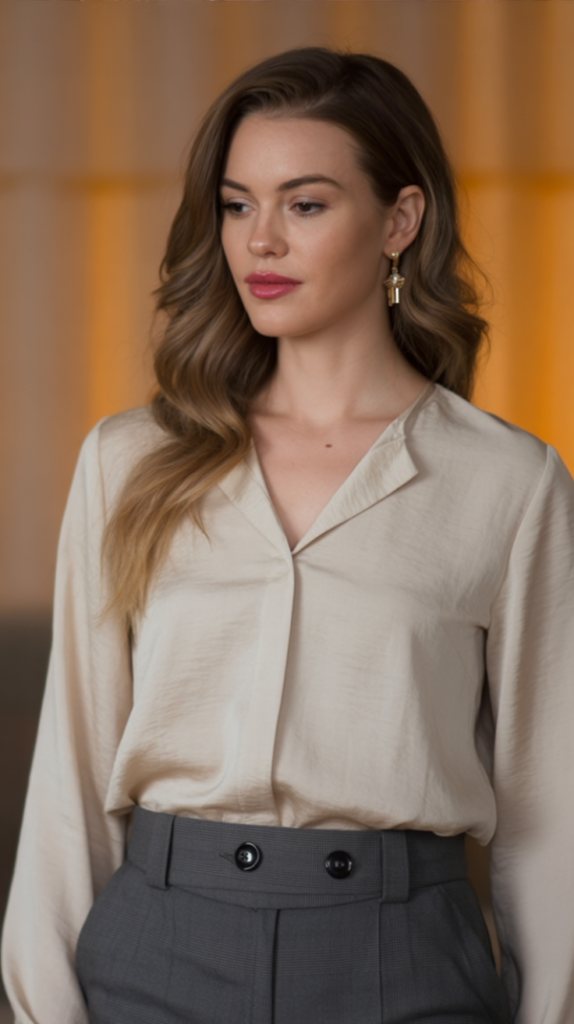
Remember, minimalist dressing celebrates quality—so investing in a few well-made pieces will serve you far better than a closet full of fast fashion.
Embrace Color and Patterns
Minimalism doesn’t mean dressing in head-to-toe beige (unless that’s your vibe). While neutrals like white, black, camel, and navy form a great foundation, strategic use of color can bring warmth and individuality to your work wardrobe.
Try incorporating muted tones such as olive, burgundy, or slate blue for subtle variety. For a more modern edge, color-blocking neutral shades can create interest without feeling loud.
When it comes to patterns, choose wisely. Thin pinstripes, small checks, or soft geometric prints keep things polished and professional. Vertical lines, in particular, elongate the body and create a sleek silhouette.
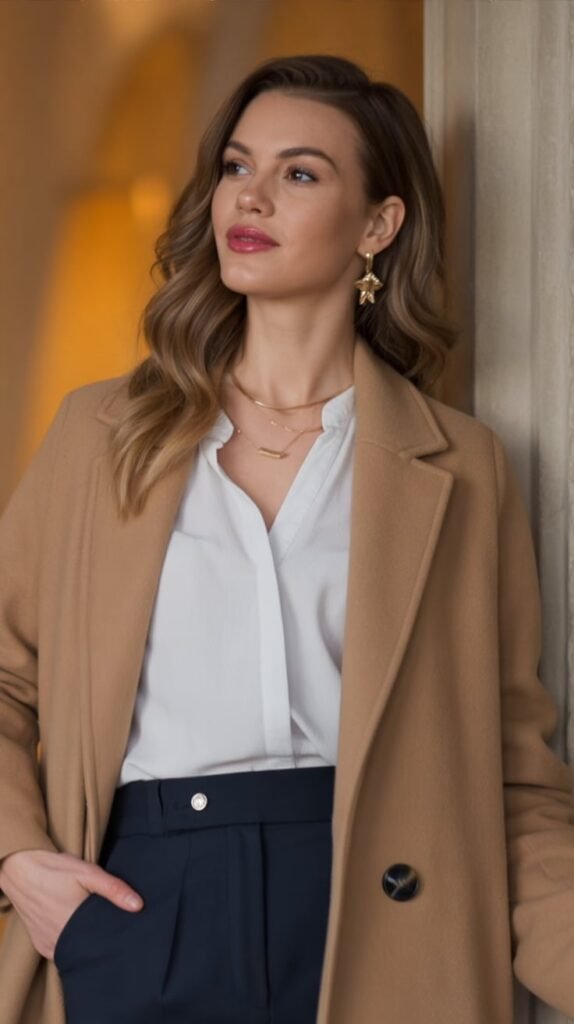
The goal is to make every color or pattern feel intentional—each element should serve the overall harmony of your outfit.
Accessorize for Confidence
Accessories are where minimalism meets personal expression. In a pared-down wardrobe, each accessory should feel deliberate and enhance your outfit’s clean aesthetic.
A slim leather belt can define your waist and elevate a dress or trousers instantly. Statement earrings or a delicate gold chain can add a hint of personality without overwhelming the look. Structured handbags, sleek loafers, or low heels complement minimalist work outfits beautifully.
For colder seasons, layer with soft scarves or minimalist watches. The trick is to let accessories add polish, not clutter.
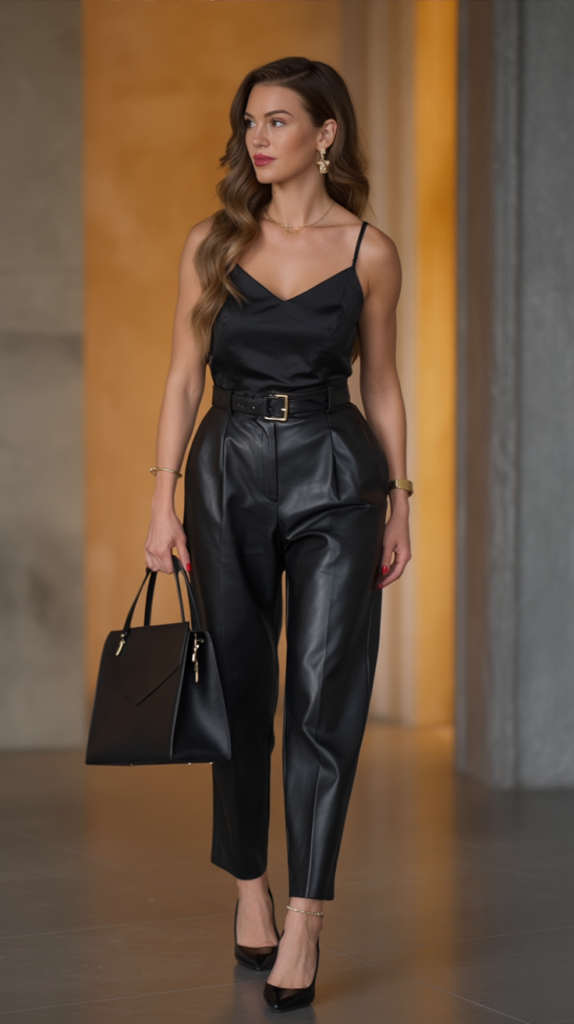
Remember: accessories in minimalist style are like punctuation in writing—used sparingly but effectively, they bring the message to life.
Conclusion
Creating a minimalist work outfit is about more than cutting back—it’s about refining your wardrobe to reflect confidence, purpose, and clarity. With well-fitted clothing, balanced proportions, quality fabrics, and thoughtful accessories, you can build a professional look that’s both timeless and empowering.
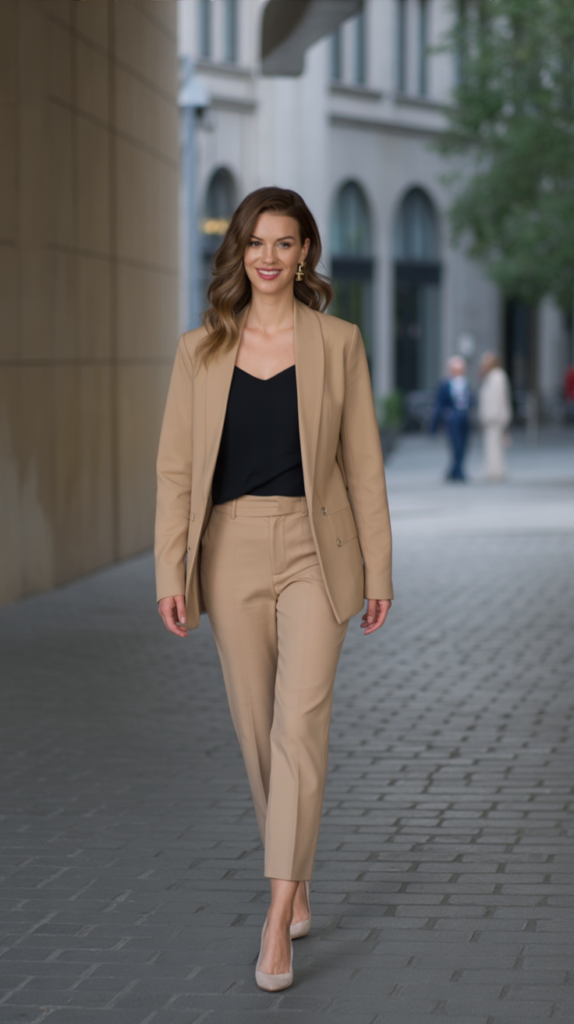
Don’t be afraid to experiment within simplicity. Minimalism isn’t about restriction—it’s about intention. When your outfit is clean, cohesive, and comfortable, you don’t just look sharp—you feel unstoppable.
Leave a Reply